Construction Materials

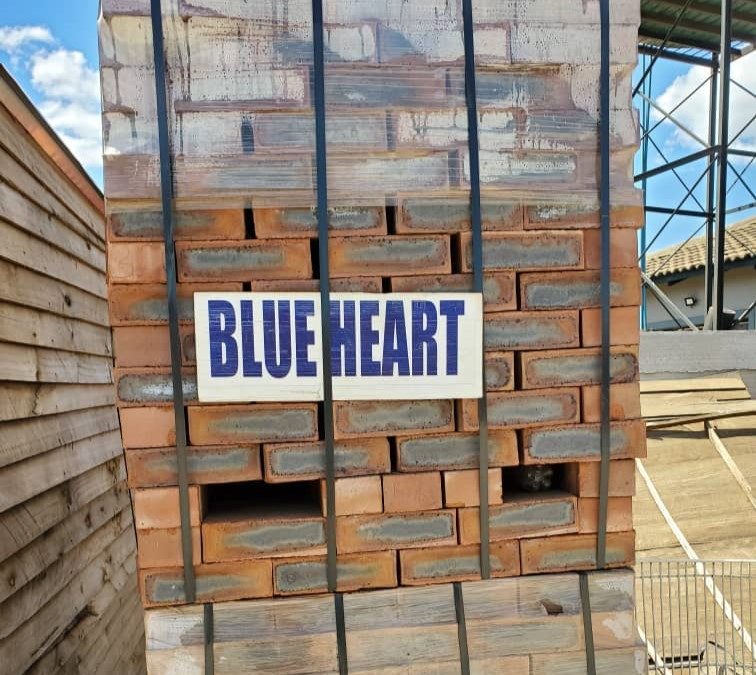
Face Bricks vs Common Bricks in Zimbabwe: Botswana, Blue Heart, Smooth & Rustic Finishes Compared
By Qstructs Engineering Team  ·  October 20, 2026  ·  Construction Materials

Face Bricks vs Common Bricks in Zimbabwe: Botswana, Blue Heart, Smooth & Rustic Finishes Compared

Choosing Between Face Bricks and Common Bricks in Harare

One of the biggest decisions when building in Zimbabwe is whether to finish your exterior walls with exposed architectural face bricks or build with common/structural bricks and plaster. Here is how they compare on cost, durability, and aesthetics.

Why Builders Choose Face Bricks (Blue Heart, Botswana, Smooth & Rustic)

While face bricks cost more per unit upfront ($0.30 to $0.55 each), they eliminate three major construction expenses:

  1. Zero Exterior Plastering: Saves cement, pit sand, and plastering labour across your entire exterior facade.
  2. Zero Primer, Skimming & Paint: Eliminates costly weatherguard exterior paint and repainting every 4–5 years after harsh Harare rainy seasons.
  3. Superior Weather & Moisture Resistance: High-fired clay face bricks like Blue Heart, Botswana, Sunrise, Plum Smooth, and Red Rustic resist dampness, UV fading, and blistering permanently.

When to Choose Common, Hard Burnt, or Load Bearing Bricks

  • Below Damp-Proof Course (DPC) & Foundations: Always use Hard Burnt or Load Bearing bricks below ground level where soil moisture and structural weight are highest.
  • Internal Partition Walls: Use Common Bricks or Solid Cement Bricks inside the house where walls will be plastered and painted.
  • Hybrid Architectural Designs: Many modern Harare homes combine a Blue Heart or Botswana face brick plinth and feature pillars with plastered common brick walls for the best balance of budget and curb appeal.

Explore our full range on the Qstructs Bricks Hub or compare all brick finishes and prices here.

Leave a Comment

Your email address will not be published. Required fields are marked *

Quick Brick Reference

Related Harare Brick & Construction FAQs

Instant answers on Harare brick prices, project quantities, face bricks, and site delivery.

At Qstructs Systems in Harare, common bricks start from $0.095–$0.12 each, solid cement and load-bearing bricks range from $0.16–$0.22, and architectural face bricks range from $0.30–$0.55 each.

Order online at qstructssystems.com/bricks, through the Quick Bricks Android app, or visit our Harare office at 21 Glenara Avenue, Eastlea (Shamba House, Room 11).

You can order from 1,000 bricks for collection or local delivery, with discounted bulk truckload rates for 5,000, 10,000, and 20,000+ bricks and full tipper loads of sand or stone.

Yes. We offer flexible 4-month and 6-month brick installment plans, allowing you to lock in current brick prices and schedule site deliveries as your building project progresses.

Yes. We offer contractor trade pricing, scheduled multi-load dispatches, and priority stock allocation for cluster developments, housing cooperatives, schools, and civil contractors across Zimbabwe.

Yes. Our clay face bricks, load-bearing bricks, and hard-burnt bricks are machine-extruded and kiln-fired for uniform dimensions, high compressive strength (MPa), and low water absorption.

Allow 55 to 60 bricks per m² for single-skin (half-brick) walls and 110 to 120 bricks per m² for double-skin (9-inch) walls, including 5% wastage. Use our online quote builder or Quick Bricks app to calculate exact loads.

A standard 3-bedroom house (120–150 m²) in Zimbabwe requires 18,000 to 25,000 bricks—typically 5,000–6,000 hard-burnt foundation bricks and 13,000–19,000 superstructure bricks.

A 2-roomed cottage requires approximately 5,000 to 7,000 bricks, while a standard 4-roomed cottage uses 10,000 to 13,000 bricks including foundation footings and internal walls.

One 50kg bag of cement mixed at a standard 1:5 mortar ratio lays 350 to 450 bricks on single-skin walls—roughly 2.5 to 3 bags of cement per 1,000 bricks.

The standard modular building brick size in Zimbabwe is 220mm × 105mm × 73mm (length × width × height), laid with a standard 10mm–12mm mortar joint.

A 1.8m to 2.0m high single-skin brick boundary wall with reinforcing pillars every 3 metres requires 120 to 135 bricks per linear metre above the footing.

We stock Smooth Finishes (Blue Smooth, Plum Smooth, Dark Smooth, Blue Heart, Marble Smooth), Textured/Rustic (Red Rustic, Blue Rustic, Dark/Red Vertical), and Botswana & Sunrise face bricks—all weatherproof for exterior walls.

No. High-fired face bricks like Blue Heart, Sunrise, and Botswana are engineered for exposed masonry, delivering a weather-resistant exterior that never needs plastering or repainting.

Smooth face bricks create sleek, modern architectural lines, whereas Rustic and Vertical face bricks feature textured faces that add warm shadow depth and hide minor mortar marks.

Yes. Face bricks are ideal for perimeter walls, gate pillars, outdoor braai stands, and interior feature walls because they resist rain, UV fading, heat, and dampness permanently.

Brush off wet mortar splashes immediately with a stiff bristle brush, then wash cured brickwork with a 1:10 diluted brick acid solution and rinse thoroughly with clean water.

Load Bearing Bricks deliver high compressive strength for double-storey buildings; Hard Burnt Bricks resist moisture in foundations and damp courses; Common Bricks offer economical general walling for plastered homes.

Choose solid cement bricks when you want uniform block sizing, faster laying, and thinner plaster coats—ideal for residential partitions, boundary walls, and commercial projects.

Always use Hard Burnt clay bricks, Load Bearing bricks, or high-density solid Cement bricks below DPC level, as they resist ground moisture, waterlogging, and heavy soil loads.

Semi-Common bricks are kiln-fired clay bricks graded between standard commons and face bricks—durable enough for unplastered cottages, boundary walls, or high-strength plastered homes.

Machine-moulded kiln bricks offer 3× higher compressive strength, straight edges that cut mortar and plaster cement usage by up to 25%, and far lower water absorption than hand-moulded farm bricks.

Use Washed River Sand (Riversand) for structural concrete slabs, floor screeds, and strong mortar, and finer Pit Sand (Pitsand) for smooth wall plastering and workable bricklaying mortar.

3/4 crushed stone (19mm aggregate) is the standard coarse aggregate mixed with river sand and cement for structural concrete foundations, floor slabs, lintels, beams, and columns.

Crusherun is a graded mix of crushed stone and rock dust that compacts into a solid sub-base. Spread and compact a 100mm to 150mm layer before laying driveway pavers.

Concrete interlocking pavers carry heavy vehicle loads without cracking, drain surface water naturally, and allow individual pavers to be lifted and relaid if underground pipes need repair.

Standard 200mm × 100mm interlocking pavers require 50 pavers per m² (order 52–53 pavers per m² to allow for edge cutting along kerbs).

Yes. Qstructs Systems delivers bricks, sand, 3/4 stone, crusherun, and pavers directly to sites across Harare, Chitungwiza, Ruwa, Norton, Mazowe, Domboshava, and nationwide in Zimbabwe.

We accept secure payments via Paynow (EcoCash, OneMoney, InnBucks, Visa/Mastercard), bank transfers, and USD cash at our Eastlea Harare office.

The Quick Bricks app lets builders and homeowners calculate material quantities, check live Harare brick prices, place instant orders, pay via EcoCash or card, and track delivery trucks in real time.

Deliveries within Greater Harare are dispatched within 24 to 48 hours of payment confirmation, with same-day dispatch available on stocked bricks and tipper loads ordered before 10:00 AM.

Yes. Diaspora clients can build a quote online, pay securely by Visa/Mastercard or international transfer, and receive photo and GPS confirmation upon site delivery in Zimbabwe.

Explore Full FAQ & Buying Guide